45 min
Traditional Tea Ceremony in Historic Garden Tea House
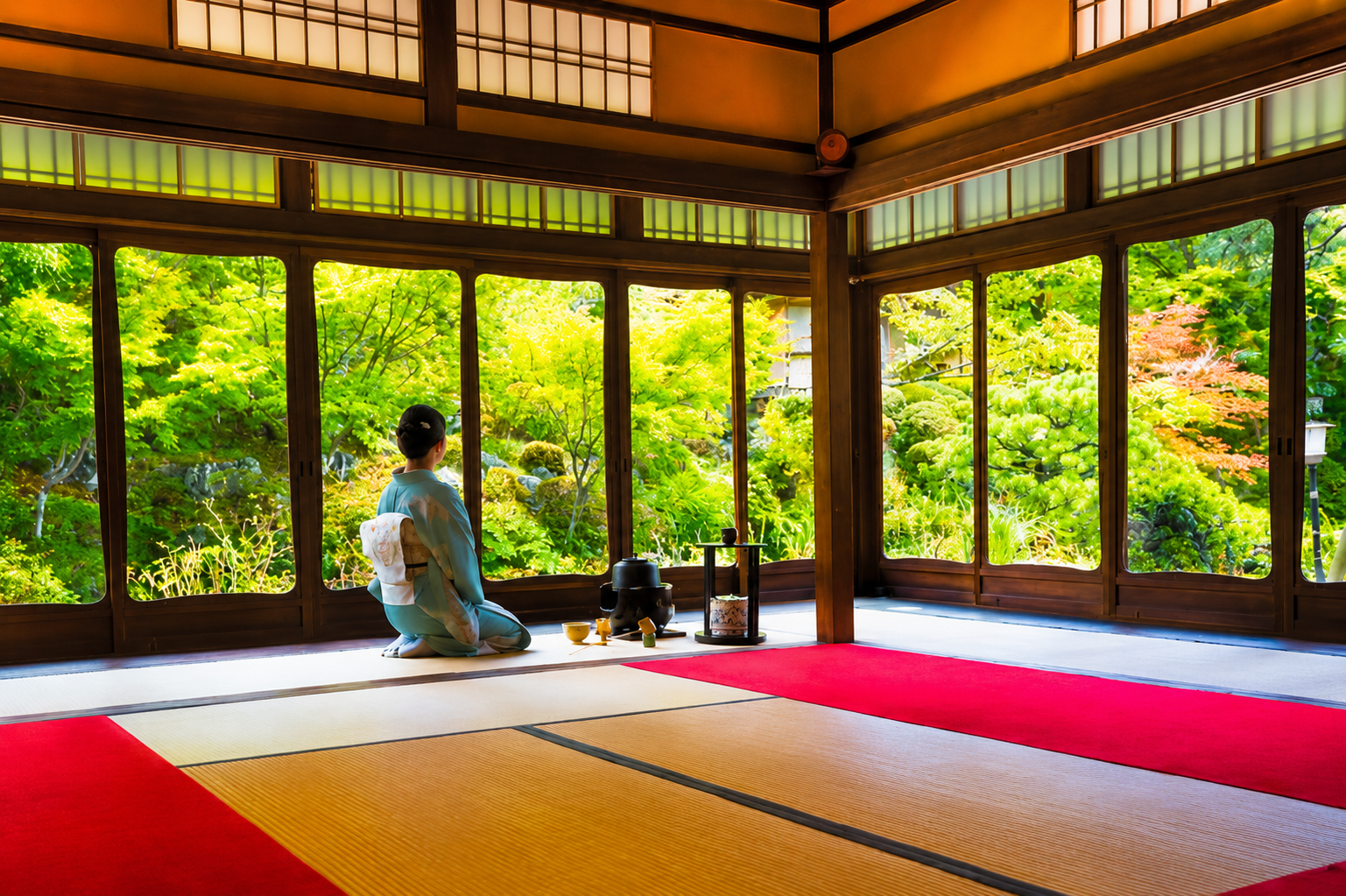
Learn the art of matcha preparation in a serene Japanese garden near Kiyomizu-dera Temple
Reserve
Hand-picked by our editors — only the best 5 tea ceremony experiences from 28 reviewed.
Verified partners for every tour, free cancellation where available, and instant confirmation on every booking.
45 min
Learn the art of matcha preparation in a serene Japanese garden near Kiyomizu-dera Temple
Reserve
1 hr 10 min
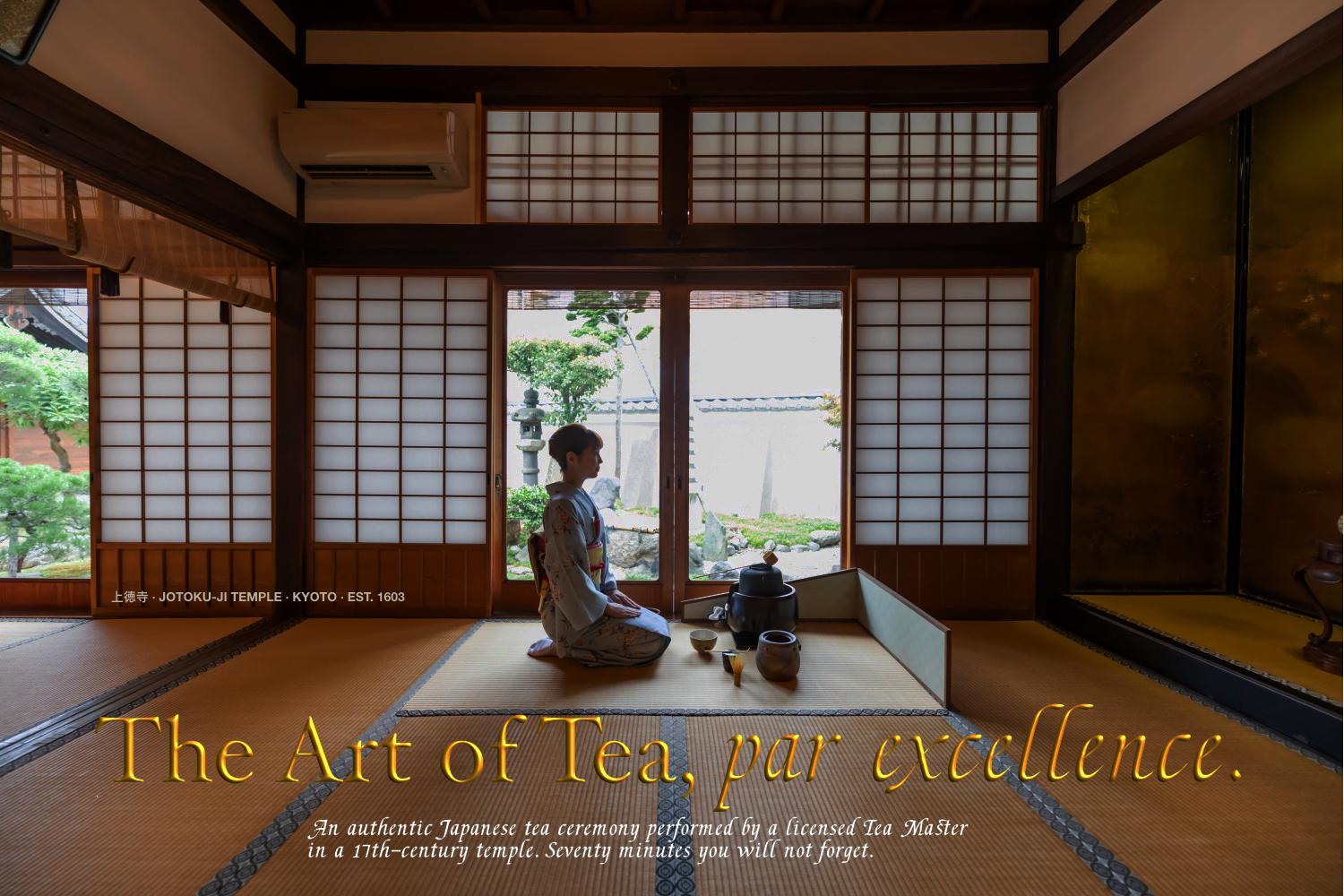
Immerse yourself in an authentic Japanese matcha ritual led by a Tea Master in a historic temple setting
Reserve
1 hr
Learn the art of Japanese tea preparation in a historic pavilion within Kanazawa's celebrated garden
ReservePrices from verified partners. Availability updates in real time at checkout. Free cancellation policies apply where shown.
The landmarks, rooms, and views travelers on this tour remember — all visible on a single visit.
This historic machiya townhouse serves as the primary setting for the authentic tea experience near the temple. It offers an intimate atmosphere perfect for learning the art of matcha preparation.
This modern facility features a versatile ground-floor room that can host larger groups comfortably while maintaining traditional aesthetics. It is located right next to the main teahouse.
Experience the wabi-sabi philosophy in this serene space where guests practice the ritual of tea drinking on authentic straw mats. The room layout is designed to focus on the grace of every movement.
The teahouse features beautiful, tranquil garden views that enhance the meditative nature of the tea ritual. These gardens are meticulously maintained to reflect the changing colors of the Kyoto seasons.
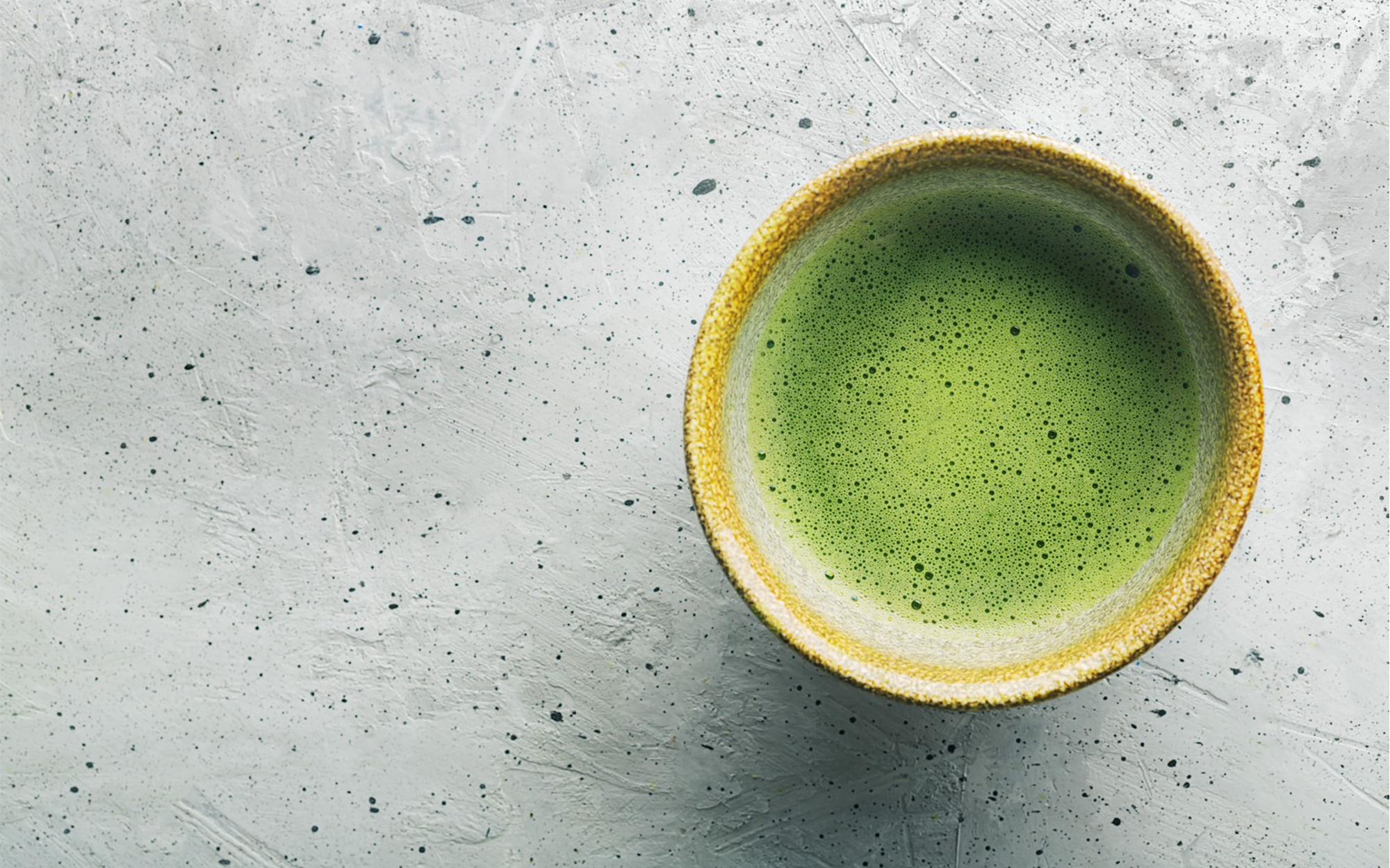
Guests are served traditional seasonal wagashi, a small Japanese sweet designed to balance the slight bitterness of the freshly whisked matcha. These sweets are selected to celebrate the current time of year.
Choosing between these two experiences depends on whether you prefer a private garden setting or a traditional temple environment; camellia tea ceremony near kiyomizu dera tours offer a highly personalized approach, whereas Jotokuji provides a deeper connection to monastic architecture.
| Feature | Top pick Camellia Tea House | Jotokuji Temple |
|---|---|---|
Setting |
Private tea house garden | Historic temple hall |
Primary Focus |
Intimate cultural instruction | Formal meditative ritual |
Vibe |
Quiet and residential | Solemn and spiritual |
Convenience for Kiyomizu-dera |
Excellent proximity via Higashiyama | Short transit required |
Language Support |
Multilingual staff | English-guided sessions |
Authenticity |
Formal tea etiquette | Monastic temple atmosphere |
| See tickets → |
Verdict: If you are looking to secure camellia tea ceremony near kiyomizu dera tickets for a focused, small-group atmosphere, it remains the superior choice for comfort, while the Jotokuji temple option better serves those seeking a formal environment for their camellia tea ceremony near kiyomizu dera tour.
Choose your ticket, select your date, and reserve in under two minutes. Secure checkout handled by our verified partner.
Instant confirmation by email, with a mobile voucher you can save offline. No printing, no queuing at a collection desk.
Arrive at the entrance, show your voucher on your phone, and walk in. Most tickets include priority or skip-the-line access.
Practical details for your visit straight from our verified partners — hours, access, rules, and how to get there.
Casual attire is perfectly acceptable for your camellia tea ceremony near kiyomizu dera visit. You may opt to rent a traditional kimono on-site for a complete cultural experience.
Large luggage or bulky bags are not permitted inside the tea rooms. Please plan to store your belongings securely before arriving at the camellia tea ceremony near kiyomizu dera.
Photography is permitted throughout the camellia tea ceremony near kiyomizu dera without the use of flash. Video recording is strictly prohibited during the ceremony ritual.
The tea rooms are located upstairs; however, chairs and tables can be provided for those who find the traditional kneeling posture difficult. Please contact the venue in advance to discuss specific mobility needs for your camellia tea ceremony near kiyomizu dera tour.
The camellia tea ceremony near kiyomizu dera welcomes children aged 6 and older for shared sessions. It is a highly recommended family-friendly activity in Kyoto.
Seasonal Japanese wagashi sweets are included and served during every camellia tea ceremony near kiyomizu dera. Please inform the staff of any dietary restrictions prior to your visit.
Best time to go, insider tips, nearby landmarks, and the cancellation fine print — flip through to skim what matters to you.
Flexible, no hidden fees.
You can cancel your camellia tea ceremony near kiyomizu dera tickets up to 24 hours before the experience begins to receive a full refund. This policy applies to the base entrance fee of 4,000 JPY per person.
The camellia — tsubaki in Japanese — blooms crimson in late winter when temple gardens lie dormant, its petals falling intact rather than wilting on the branch. For centuries, tea masters in Kyoto's Higashiyama district selected camellia wood for their tea scoops and chose the flower as the solitary ikebana accent in February tea gatherings. The ritual they preserved, chanoyu, codified in the sixteenth century under Sen no Rikyū, transforms the preparation and serving of powdered matcha into a choreographed meditation on presence and restraint. The camellia tea ceremony near kiyomizu dera unfolds in a machiya townhouse restored to its Meiji-era proportions — tatami floors, shoji screens admitting diffused light, and a tokonoma alcove displaying seasonal scroll calligraphy. The tearoom itself measures four-and-a-half tatami mats, the canonical dimension Rikyū prescribed to collapse social hierarchy and force lords and merchants into physical proximity. Guests remove shoes at the threshold, purify hands at a stone basin, and enter through a low doorway that requires even the tallest visitor to bow. The host — often a practitioner with twenty years of study under Urasenke or Omotesenke lineage — whisks koicha, thick tea, in silence broken only by the hiss of the cast-iron kettle and the scrape of bamboo on ceramic. This Kyoto tea ceremony tradition persists because it answers a contemporary need: enforced slowness in a city where tour buses idle outside Kiyomizu's gate and smartphone cameras fracture every temple view into shares and stories. The forty-five-minute session follows a sequence unchanged since the Edo period — the host's bow, the presentation of wagashi sweets, the first sip of bitter matcha, the examination of the tea bowl's glaze. No photographs during the ritual. No conversation beyond formal greetings. The matcha whisk ceremony retains its sixteenth-century grammar because that grammar works: repetition as refuge, aesthetic rigor as relief. When the host rotates the bowl twice before placing it on the tatami, the gesture carries five hundred years of identical rotations — a physical link to Rikyū's own hands. The machiya tea house sits three hundred meters downslope from Kiyomizu's main hall, reachable via Ninenzaka and Sannenzaka lanes lined with pottery studios and incense merchants. Visitors who choose tea ceremony experiences near kiyomizu temple often arrive mid-morning after the temple's first wave of tour groups, drawn by the promise of stillness the temple itself no longer affords. The tearoom's garden — visible through an opening in the shoji — holds five stones, raked gravel, and one camellia tree that flowers in February and sheds petals onto moss in March. The ritual asks nothing of its participants except attention. That is both its difficulty and its value.
"The ritual asks nothing of its participants except attention — that is both its difficulty and its value."
A step-by-step walkthrough of the visit — what you'll see, how long each stage takes, and the details that matter.
You arrive at 349-12 Masuya-cho ten minutes before your reserved time and remove shoes at the wooden threshold. A host in kimono guides you through a gravel courtyard where a stone water basin — tsukubai — invites you to ladle cold water over your hands. The gesture is older than the house. You crouch through a low doorway into the tearoom, its tatami faintly sweet with woven rushes, and kneel seiza-style on a silk cushion. Afternoon light filters gray through shoji paper. The host enters, bows, and places a lacquered tray bearing two wagashi sweets — chestnut paste shaped like autumn leaves — on the tatami before you. You eat in silence. Then the host kneels at the portable brazier, lifts the iron kettle's lid, and ladles simmering water into a ceramic bowl. Three scoops of matcha powder follow. The bamboo whisk — chasen — moves in tight circles, building foam. The host rotates the bowl twice and presents it with both hands. You accept it, rotate it twice counterclockwise to avoid drinking from its front, and take three slow sips. The matcha is bitter, vegetal, warm. You examine the bowl's crackled celadon glaze, bow, and return it. The host bows. Forty-five minutes have passed. You exit through the low door into daylight, the city unchanged but your pulse measurably slower.
The venue is open daily from 10:00–18:00. Arriving early helps avoid midday crowds and ensures enough time for the 45-minute session.
The base entrance fee for a shared ceremony is 4,000 JPY per person.
There is no strict dress code, though many guests enjoy adding an optional kimono rental at the studio.
Yes, the camellia tea ceremony near kiyomizu dera is suitable for children aged 6 and older.
Photography is permitted without flash, but video recording is not allowed during the ritual.
Large bags are not permitted, so please avoid bringing large luggage to the camellia tea ceremony near kiyomizu dera.
The venue is located at 349-12 Masuya-cho, Higashiyama-ku, and is easily accessible by bus or walking from Gion.
Tables and chairs are available on request for those who cannot sit on the tatami mats.
The best arrival window is 10:00–17:00 to avoid peak crowds and fully enjoy your 45-minute session.
You can receive a full refund if you cancel at least 24 hours before your scheduled camellia tea ceremony near kiyomizu dera tour.